For how your muscles feel, yes. Massage can ease next-day soreness and stiffness for many people, so moving feels easier for a while. It is not a shortcut for the repair itself; food, water and sleep do that work.
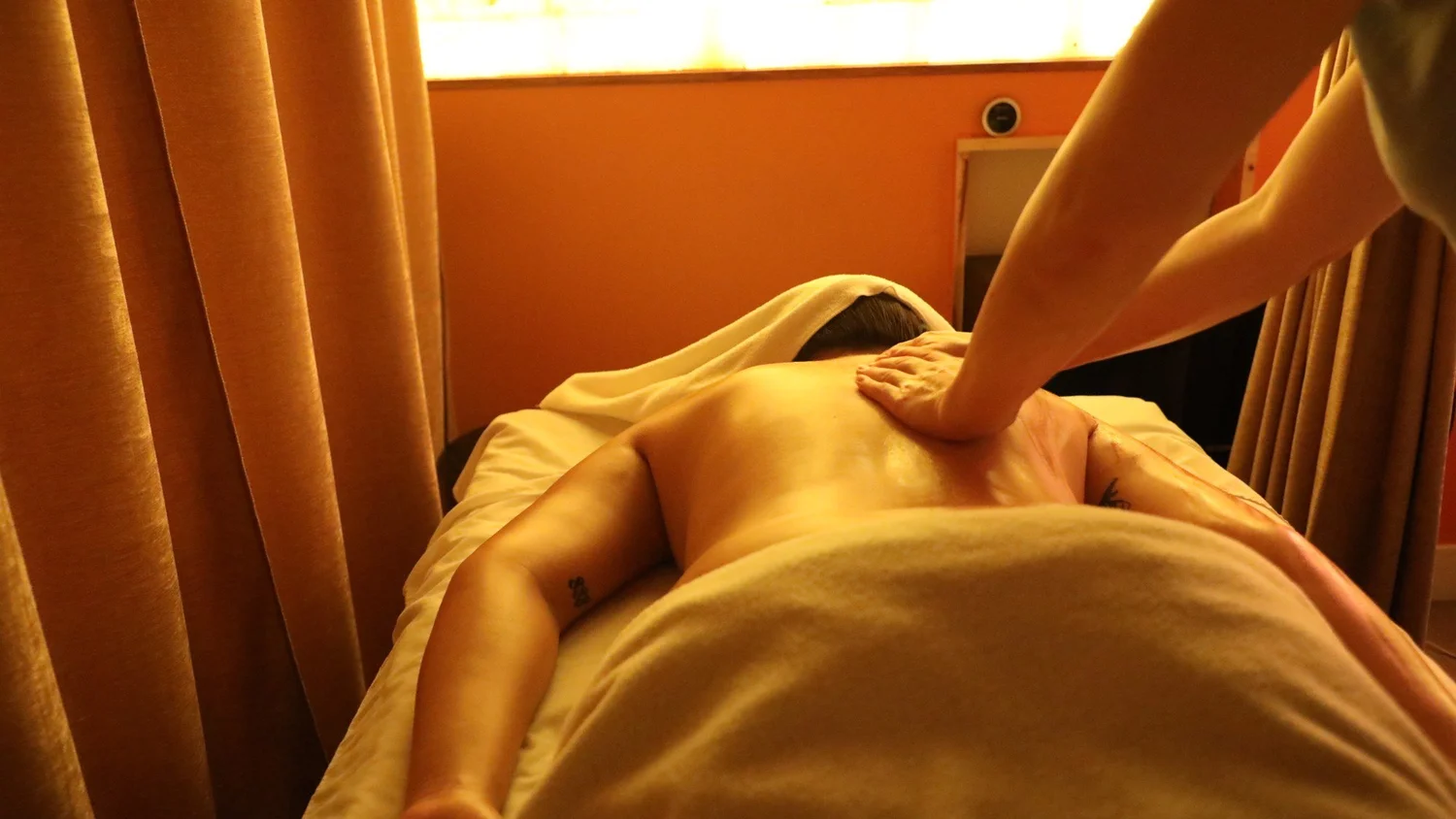
The short answer
What it helps: how sore and stiff you feel, for a while.
Best timing: a day or two after a big effort.
Same day: keep the pressure lighter.
Before an event: a few days out, and light.
What to book: a body massage, with Target on the muscles you trained.
What massage can and cannot do
Soreness after a hard or unfamiliar workout usually builds overnight and peaks a day or two later. It is the normal response of muscle fibers pushed harder than they are used to, and it fades as they recover. It is not lactic acid, which clears soon after you stop.
What a massage can do is take the edge off that ache, loosen muscles that feel short and guarded, and make ordinary movement feel less stiff.
When to book it
A day or two after a big effort, when soreness is near its peak. Steady medium pressure is often the most comfortable way to meet it.
On the same day as a hard session, keep the pressure lighter. Muscles that have just done heavy work tend to guard against deep pressure.
Before a race or a game, book a few days out and keep it light, so nothing feels tender on the day.
After a race or a long hike, come back two or three days later, once your legs have rested.
Heat or ice?
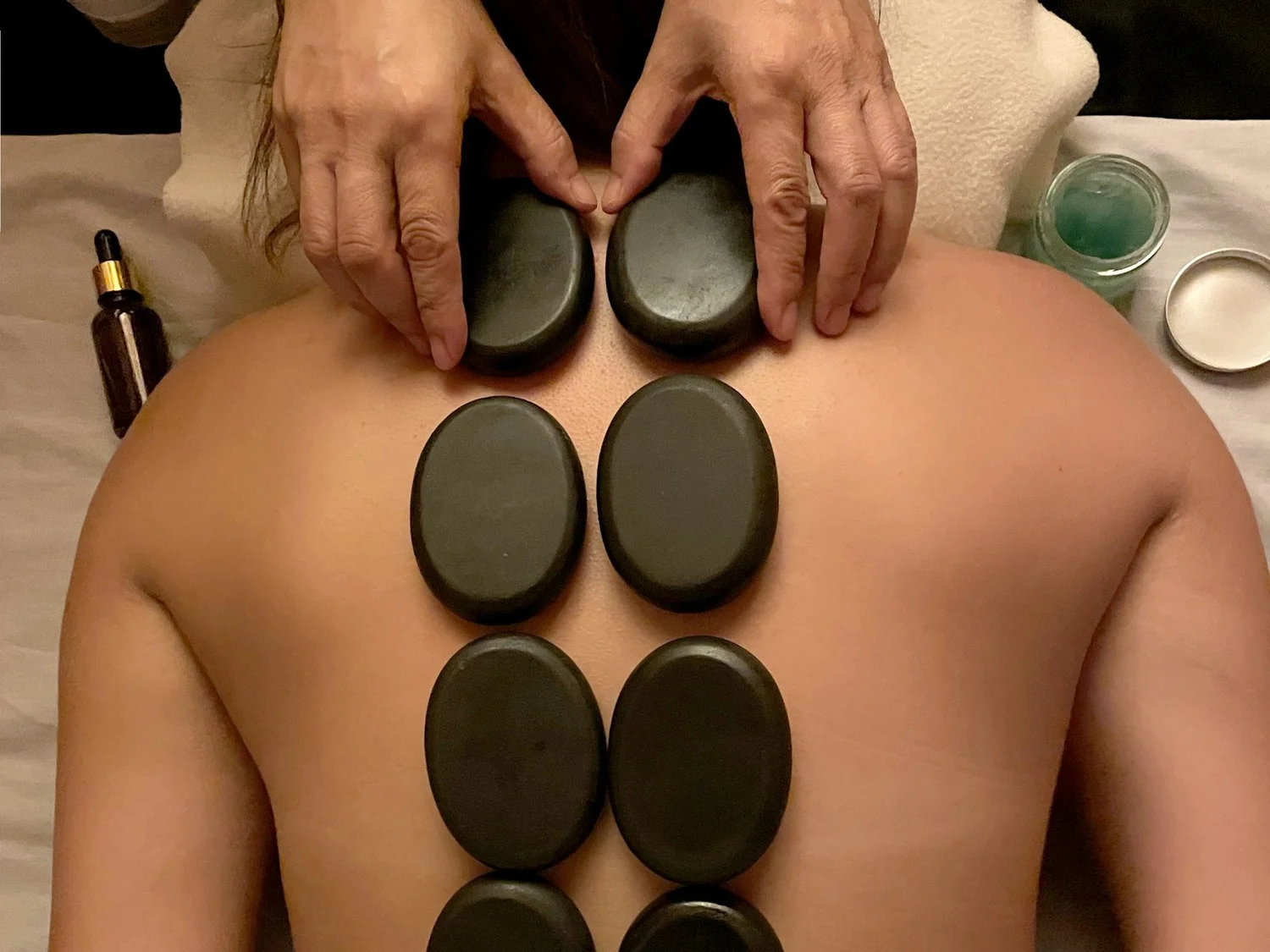
A rough rule: ice for a fresh injury that is swollen or warm, heat for muscles that are simply tight and sore. Warmth tends to help a tight muscle relax, which is why hot stones suit a sore back or legs. For a new injury, see a doctor or physical therapist before any massage on that area.
What to book
There is no separate recovery menu. Book a body massage at the pressure you choose, from light Swedish to deep tissue, and tell the front desk which muscles you trained.
45 minutes suits focused work on a smaller area, such as the calves after a long run.
60 minutes covers the full body at a steady pace.
90 minutes leaves time to stay longer where you are tightest.
To keep the session on your legs or back, add Target under Massage Styles when you book online. Pick up to three areas, such as lower back, calves and feet, and only those are worked.
Enhancements for tired muscles
Hot stones: smooth, heated stones rest on and glide over tight muscles.
Cupping: gentle suction lifts the tissue instead of pressing into it, which some people find easier on a very sore area. It can leave round marks that fade over a few days.
Menthol balm: a cooling balm worked into sore, stiff muscles, applied only when you ask.

When to see a doctor instead
Massage is for ordinary soreness. See a doctor before booking if you have sharp pain, swelling, bruising you cannot explain, or pain that gets worse instead of better. Very severe soreness with dark urine after an extreme workout needs care right away.
From Dr. Nick
Train hard, then give the work a day to settle. The day or two after a big effort is when a steady, medium-pressure massage tends to be most welcome.
Common questions
Should I get a massage before or after a workout?
After, as a rule, and a day or two after a hard session is often best. Before a race or a game, keep it light and a few days out.
Will a massage make me less sore tomorrow?
It may take the edge off for many people. It will not replace sleep, food and water, which do the actual repair.
Is deep tissue better for recovery?
Not always. On very sore muscles, medium pressure is often more comfortable and easier to relax into. You can change the pressure at any point.
Should I stretch after a massage?
Gentle movement helps many people stay loose longer. Nothing forceful; an easy walk or light stretching is plenty.
Book your massage
Serenity Zen has studios in West Covina and Diamond Bar. Open daily, 10 AM to 9 PM.