Understanding Chronic Pain and the Role of Massage at Serenity Zen
Chronic pain is a long-lasting condition that affects millions of people worldwide, often interfering with daily activities, sleep, mood, and overall quality of life. At Serenity Zen, one of the most frequently asked questions we receive is whether massage therapy can truly help manage or reduce chronic pain.
The answer is yes—massage therapy can play a significant role in managing chronic pain, although it is not a standalone cure. Instead, it works as part of a holistic approach to reducing discomfort, improving mobility, and supporting long-term healing.
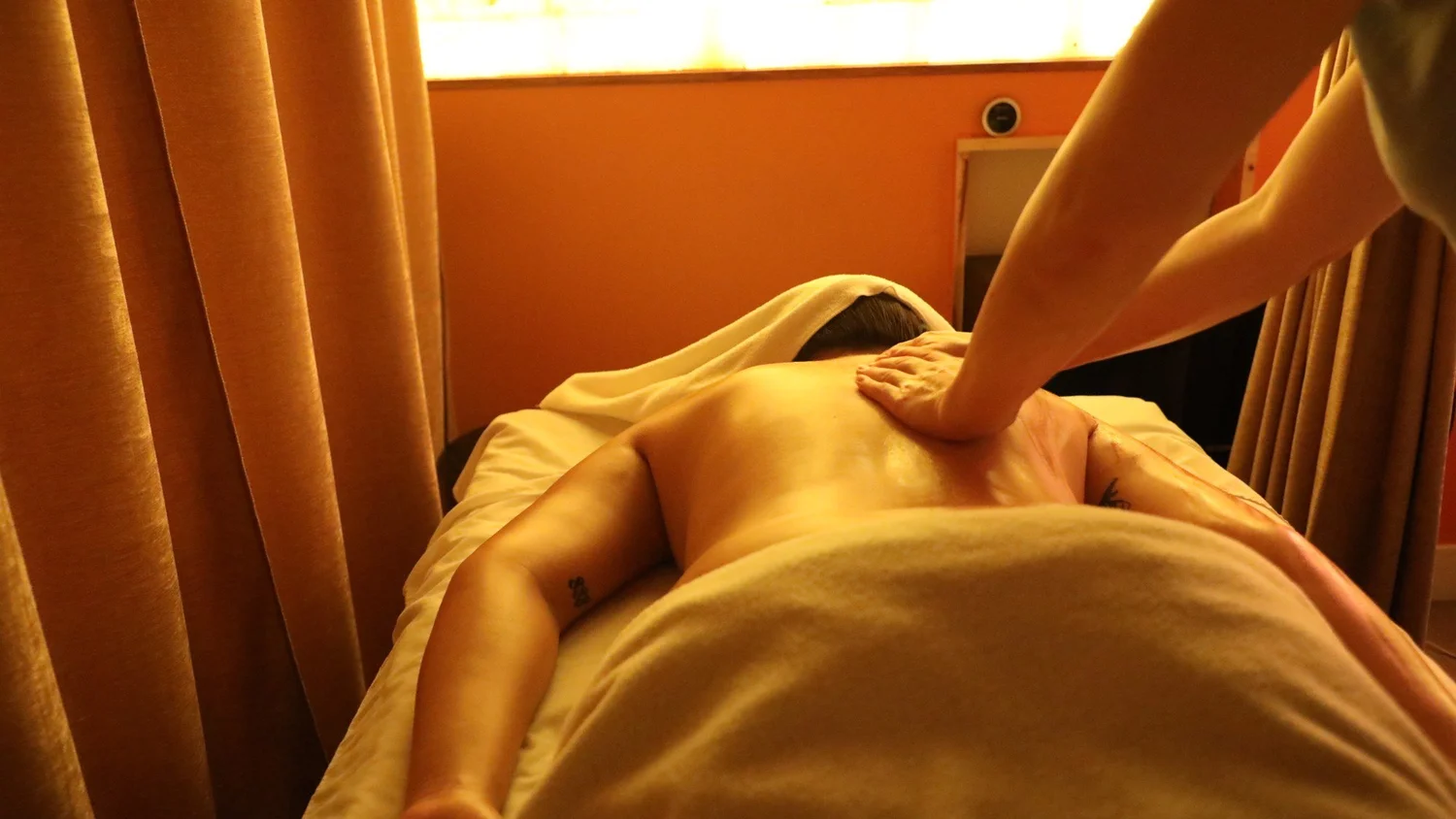
A professional massage helps the body release tension, improve circulation, and reduce the stress response, all of which contribute to pain reduction over time. At Serenity Zen, our approach focuses on customizing each massage session to target the root causes of pain rather than just the symptoms.
What Is Chronic Pain and Why Does It Persist?
Chronic pain is defined as pain that lasts longer than three months and continues even after an initial injury or cause has healed. Unlike acute pain, which serves as a warning signal, chronic pain often becomes a long-term condition influenced by both physical and neurological factors.
Common causes of chronic pain include:
Muscle injuries or strain
Poor posture or repetitive movement
Arthritis and joint conditions
Nerve-related issues
Stress and emotional tension
Over time, the body may develop patterns of tension that worsen pain perception. This is where massage therapy becomes especially valuable, as it helps interrupt these patterns and restore balance.
At Serenity Zen, we view chronic pain not just as a physical issue, but as a combination of body tension, stress response, and lifestyle habits—all of which can be addressed through targeted massage treatments.
How Massage Therapy Works for Chronic Pain Relief
A therapeutic massage works by stimulating muscles, soft tissues, and the nervous system. This process helps reduce pain in several key ways.
1. Improves Blood Circulation
A massage increases blood flow to affected areas, delivering oxygen and nutrients that support healing and reduce inflammation.
2. Relaxes Tight Muscles
Chronic pain is often linked to muscle stiffness. A massage helps release tight knots and improve flexibility.
3. Reduces Nerve Sensitivity
Regular massage therapy can calm overactive pain signals in the nervous system, reducing how intensely pain is felt.
4. Lowers Stress Hormones
Stress can amplify pain. A massage reduces cortisol levels and promotes relaxation hormones like serotonin and dopamine.
At Serenity Zen, we design each massage session to address these mechanisms in a balanced and personalized way.
Types of Massage That Help With Chronic Pain
Not all massage techniques are the same, and different methods are used depending on the type and location of pain.
Deep Tissue Massage for Chronic Pain
Deep tissue massage is one of the most effective treatments for chronic pain. It targets deeper layers of muscle and connective tissue to release long-standing tension.
This massage is especially helpful for:
Back and neck pain
Shoulder stiffness
Muscle tightness from poor posture
Old injuries or scar tissue
At Serenity Zen, deep tissue massage is carefully controlled to ensure therapeutic relief without unnecessary discomfort.
Swedish Massage for Gentle Pain Relief
Swedish massage is a lighter, more relaxing option that helps reduce general tension and stress-related pain.
This massage is ideal for:
Mild muscle soreness
Stress-induced discomfort
Overall body relaxation
Beginners with chronic pain sensitivity
While less intense than deep tissue, Swedish massage still plays an important role in long-term pain management by calming the nervous system.
Trigger Point Therapy
Trigger point massage focuses on specific tight spots within muscles that cause referred pain in other areas of the body.
This massage technique is effective for:
Headaches caused by neck tension
Radiating shoulder or back pain
Muscle knots and tight bands
At Serenity Zen, trigger point massage is often combined with other techniques for more complete relief.
Myofascial Release
This specialized massage technique targets the fascia, a connective tissue that surrounds muscles. When fascia becomes tight, it can restrict movement and cause pain.
Myofascial massage helps:
Improve flexibility
Reduce stiffness
Restore movement patterns
Relieve deep muscular discomfort
It is especially useful for chronic pain conditions that do not respond well to standard treatments.
The Connection Between Stress and Chronic Pain
One of the most overlooked aspects of chronic pain is the role of stress. Emotional stress can increase muscle tension, reduce blood flow, and amplify pain signals in the body.
A relaxing massage helps break this cycle by calming both the body and mind. At Serenity Zen, we often see clients experience pain relief simply because their stress levels decrease during a massage session.
Key stress-related benefits of massage include:
Lower anxiety levels
Improved sleep quality
Reduced muscle guarding
Better emotional balance
By addressing both physical and emotional factors, massage becomes a powerful tool in chronic pain management.
How Often Should You Get a Massage for Chronic Pain?
Frequency plays an important role in the effectiveness of massage therapy for chronic pain.
At Serenity Zen, recommendations vary based on severity:
Severe chronic pain: Weekly massage sessions
Moderate pain: Biweekly massage sessions
Mild or improving pain: Monthly massage maintenance
Consistency is key. A single massage may provide temporary relief, but regular sessions create lasting improvements in muscle function and pain reduction.
Over time, many clients notice they require less medication or fewer pain interventions due to consistent massage therapy.
What to Expect During a Massage for Chronic Pain
A therapeutic massage for chronic pain is slightly different from a relaxation session. At Serenity Zen, we always begin with a consultation to understand your pain history and triggers.
During your massage, you may experience:
Focused work on tight or painful areas
Varying pressure levels based on tolerance
Slow, controlled techniques to avoid irritation
Ongoing communication with your therapist
It is normal to feel mild discomfort during deeper work, but a massage should never feel unbearable. Our therapists adjust pressure to ensure safety and effectiveness.
After a massage, many clients report:
Reduced stiffness
Improved movement
Temporary soreness followed by relief
A sense of relaxation and lightness
Combining Massage With Other Chronic Pain Treatments
While massage therapy is highly effective, it works best when combined with other healthy habits and treatments.
At Serenity Zen, we often recommend pairing massage with:
Physical therapy or stretching exercises
Proper hydration and nutrition
Heat or cold therapy
Stress management techniques
Regular movement and posture correction
This integrated approach helps enhance the long-term benefits of massage and supports overall recovery.
Limitations of Massage for Chronic Pain
Although massage therapy is highly beneficial, it is important to understand its limitations.
A massage:
Does not cure underlying medical conditions
May not replace medical treatment for severe disorders
Works best as part of a broader care plan
At Serenity Zen, we are transparent about what massage can and cannot do. Our focus is on improving quality of life, reducing discomfort, and supporting the body’s natural healing process.
Conclusion
Massage therapy can be a powerful and effective tool for managing chronic pain when used consistently and correctly. Through improved circulation, reduced muscle tension, and calming of the nervous system, a professional massage helps the body move toward a more balanced and pain-free state.
At Serenity Zen, we specialize in personalized massage treatments designed specifically for individuals dealing with chronic discomfort. Whether you choose deep tissue, Swedish, or specialized techniques, each massage is tailored to your unique needs.
While chronic pain may not disappear overnight, regular massage therapy can significantly reduce its intensity and improve your overall quality of life.
Frequently Asked Questions
Q1: Can massage therapy completely cure chronic pain?
A: No, massage therapy does not cure chronic pain, but it can significantly reduce symptoms and improve quality of life.
Q2: What type of massage is best for chronic pain?
A: Deep tissue massage is often most effective, but Swedish and trigger point massage can also help depending on the condition.
Q3: How soon will I feel relief after a massage?
A: Many people feel immediate relief after a massage, but long-term improvement usually comes with regular sessions.
Q4: Can massage make chronic pain worse?
A: A properly performed massage should not worsen pain. Mild soreness may occur temporarily, but it should resolve quickly.
Q5: How does Serenity Zen customize massage for chronic pain?
A: Serenity Zen tailors each massage based on your pain history, pressure tolerance, and specific problem areas for optimal results.