Can the Best Massage Near Me Customize Pressure and Focus on Specific Areas?

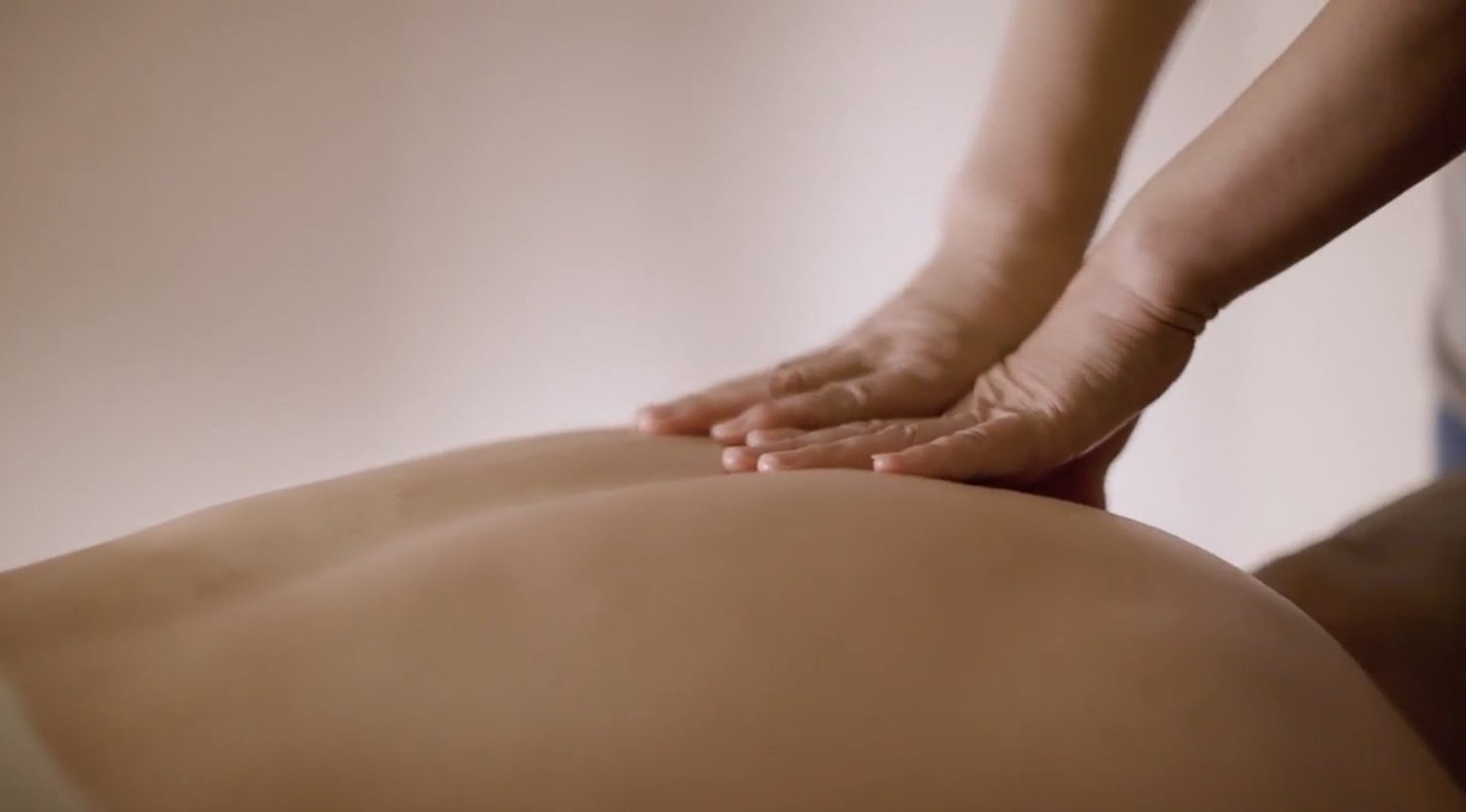
es. A quality massage experience should allow you to communicate your preferred pressure and identify specific areas you want addressed or avoided. At Serenity Zen | Massage SPA, guests can discuss whether they prefer medium, firm, deep, or very deep pressure. They can also choose services designed for broad body work, foot-focused relaxation, or concentrated attention on selected regions.

Serenity Zen’s target massage allows guests to select up to three areas, including the head, neck, face, shoulders, arms, hands, upper back, lower back, stomach, calves, and feet. A body massage can provide more general attention across the body, while foot reflexology focuses on the feet. Combination services include both foot reflexology and body massage.

Customization should continue after the massage begins. If the pressure feels too light, too strong, or uncomfortable in a particular area, tell the therapist. You can request an adjustment, change position, exclude an area, or stop the session. Your consent and comfort remain important throughout the appointment.

Guests searching for the best massage near me can visit Serenity Zen in West Covina or Diamond Bar for massage and reflexology services that can be adapted to personal preferences, selected service limits, and relevant safety considerations.

Table of Contents

  1. Direct Answer

  2. What Is a Personalized Massage?

  3. Can Massage Pressure Be Adjusted?

  4. Which Specific Areas Can Be Targeted?

  5. Which Serenity Zen Service Should You Choose?

  6. Massage for the Neck, Shoulders, and Upper Back

  7. Massage for the Lower Back

  8. Massage for the Hands and Arms

  9. Massage for the Calves and Feet

  10. What to Say During Your Consultation

  11. How to Communicate During the Session

  12. Health and Safety Considerations

  13. What to Look for in a Quality Massage Experience

  14. Serenity Zen Locations

  15. Frequently Asked Questions

What Is a Personalized Massage?

A personalized massage is adapted to the guest rather than performed as an identical routine for everyone. The therapist considers the guest’s goals, preferred pressure, priority areas, sensitive regions, health history, and comfort with different positions and techniques.

Personalization does not mean that every request can or should be performed. A therapist may need to modify or decline a request because of safety concerns, service limitations, health conditions, injuries, pregnancy, or the amount of appointment time available. Effective customization balances the guest’s preferences with responsible professional judgment.

A personalized experience may include:

  • Selecting a suitable massage or reflexology service

  • Choosing medium, firm, deep, or very deep pressure

  • Spending more time on selected areas

  • Avoiding sensitive, injured, or unwanted areas

  • Adjusting the guest’s position for comfort

  • Changing pressure during the appointment

  • Reducing conversation to create a quieter experience

  • Discussing allergies or fragrance sensitivities

  • Considering mobility needs and relevant health information

Serenity Zen uses an in-house approach called Zen Flow. The company describes it as a combination of broad strokes, breath awareness, body connection, and medium-to-firm pressure. This provides a general foundation, but guests should still communicate their individual preferences.

The most effective personalization begins with clear expectations. Instead of simply saying that your back hurts, explain where you feel the most tension, what movements seem to affect it, and whether the sensation is mild, severe, recent, or recurring. The therapist can then determine whether the request is appropriate for massage and how the selected appointment can be adapted.

Can Massage Pressure Be Adjusted?

Massage pressure can usually be adjusted according to the guest’s comfort, the selected technique, and relevant health considerations. However, the words “light,” “medium,” “firm,” and “deep” can mean different things to different people. Describe what you want and continue providing feedback once the massage begins.

Medium Pressure

Medium pressure may be a comfortable starting point for first-time guests or anyone primarily seeking relaxation. It can provide a noticeable massage experience without the intensity associated with deeper techniques.

Firm Pressure

Firm pressure may suit guests who prefer more substantial work but do not necessarily want the intensity of very deep massage. Serenity Zen’s Zen Flow approach generally uses medium-to-firm pressure.

Deep Pressure

Deep pressure may involve slower, more concentrated work. It should be used only when appropriate and should not cause sharp pain, numbness, tingling, dizziness, or other concerning sensations.

Very Deep Pressure

Serenity Zen offers Ashiatsu for guests seeking very deep pressure. Ashiatsu uses the therapist’s feet to apply broad, controlled pressure. This specialized technique is not appropriate for every guest or health condition.

Deeper pressure is not automatically more effective. The best pressure is the level that helps you remain comfortable and relaxed while allowing the therapist to work appropriately. If you find yourself holding your breath, tightening your muscles, or enduring sharp pain, the pressure may be too intense.

You can ask the therapist to use different pressure levels across different areas. Firm pressure may feel comfortable on your upper back but excessive on your calves, hands, or feet. Personalization does not require the same pressure throughout the entire session.

Which Specific Areas Can Serenity Zen Target?

Serenity Zen’s target massage lets guests select up to three specific areas. The company lists the head, neck, face, shoulders, arms, hands, upper back, lower back, stomach, calves, and feet among the available choices.

Only the selected areas are addressed during a target massage, making service selection important. If you want attention across more than three regions, a body massage may be a more suitable option.

Common combinations might include:

  • Neck, shoulders, and upper back

  • Lower back, calves, and feet

  • Arms, hands, and shoulders

  • Head, face, and neck

  • Upper back, lower back, and shoulders

  • Calves, feet, and lower back

These examples are not medical recommendations. Your selection should reflect your personal preferences and the areas that can be safely addressed. Severe, sudden, worsening, or unexplained pain requires appropriate evaluation rather than simply stronger or more frequent massage.

You can also identify areas that should not be touched. A guest may want the therapist to avoid the feet, stomach, face, a recent injury, bruising, a healing incision, or an area that simply feels too sensitive. You do not need to justify a personal boundary.

Which Serenity Zen Service Should You Choose?

The most suitable service depends on whether you want broad relaxation, focused attention, foot work, combined services, or specialized pressure.

Body Massage

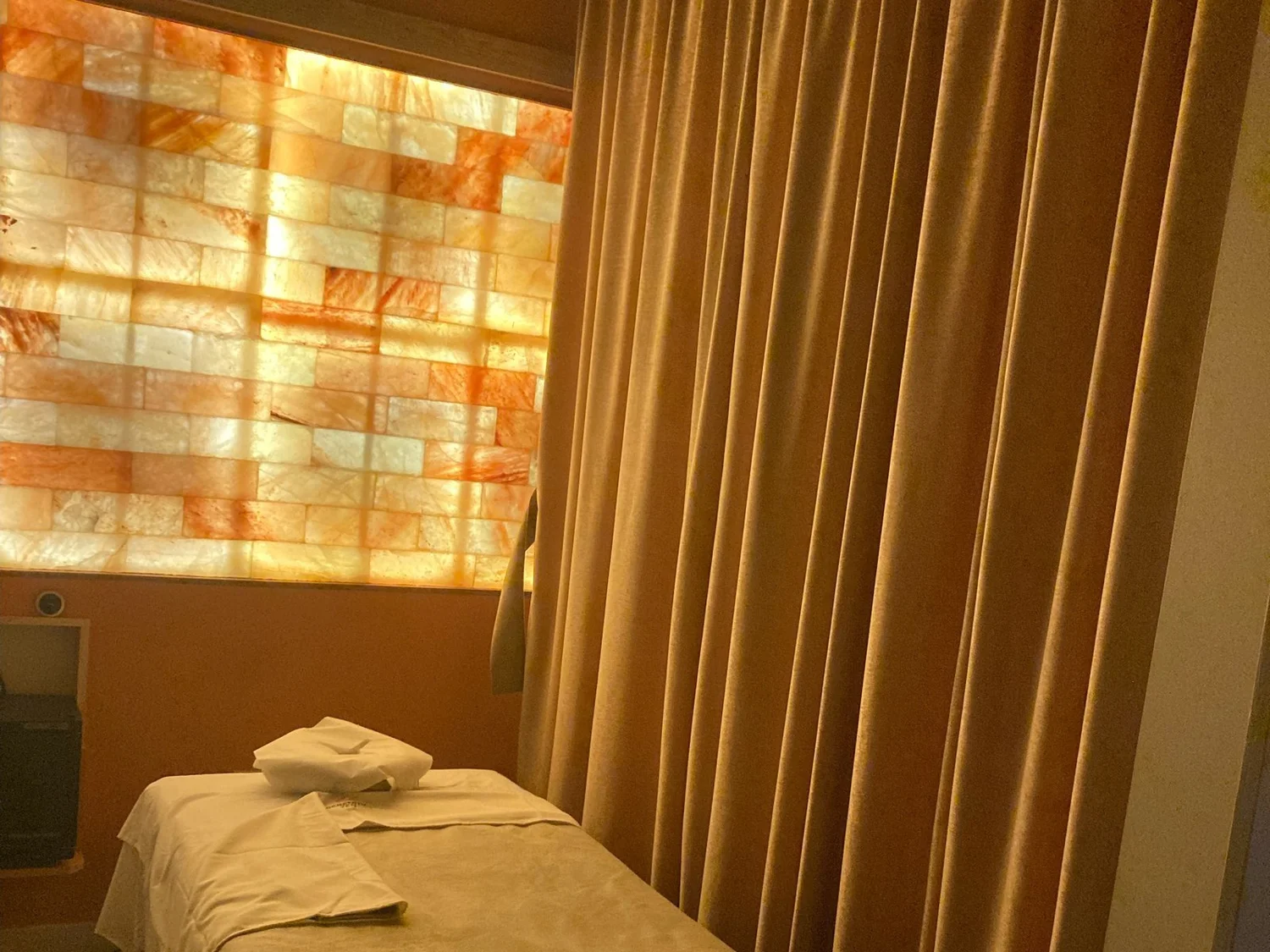
Choose a body massage when you want attention across several areas or prefer a broader experience. Serenity Zen performs body massages in private rooms. This may appeal to guests who prioritize privacy or want more than three regions addressed.

Target Massage

Choose a target massage when you want the appointment concentrated on up to three areas. This service may be useful when the neck, shoulders, upper back, lower back, arms, hands, calves, or feet are the main priorities.

Foot Reflexology

Choose foot reflexology when you want a foot-focused experience. Serenity Zen starts reflexology sessions with a warm sea-salt foot soak before applying focused pressure and massage techniques to the feet.

Traditional reflexology practices associate different regions of the feet with other areas of the body. Scientific evidence has not established reflexology as a treatment for diseases, so it should be viewed as a relaxation and wellness service rather than medical care.

Combination Massage

Choose a combination service when you want foot reflexology and body massage in the same visit. Serenity Zen begins with the foot portion and finishes with body work. Some combination body-work portions may be performed in the curtained reflex lounge, so confirm the setting before booking if a private room is important.

Ashiatsu Massage

Consider Ashiatsu if you are experienced with massage and prefer very deep pressure. Disclose relevant injuries, medications, bone conditions, circulation concerns, surgeries, and other health information before selecting this technique.

Prenatal Massage

Eligible expectant guests should choose the designated prenatal service rather than booking a standard or very deep massage without disclosing the pregnancy. Contact Serenity Zen to confirm its current pregnancy-stage requirements before scheduling.

Can Massage Focus on the Neck, Shoulders, and Upper Back?

Yes. The neck, shoulders, and upper back can be selected together during Serenity Zen’s target massage. This is a common group of priority areas for people who work at computers, drive for long periods, use mobile devices frequently, carry bags, or perform repetitive upper-body movements.

Before the massage begins, explain whether one side feels different from the other and whether specific movements make the area more sensitive. Tell the therapist about headaches, dizziness, numbness, tingling, recent accidents, or injuries.

Massage may help some people feel more relaxed or temporarily less tense. However, it should not be used to diagnose the cause of neck, shoulder, or back symptoms. Seek medical evaluation for severe pain, weakness, loss of sensation, symptoms following trauma, or pain accompanied by other concerning signs.

Pressure around the neck should remain comfortable and controlled. Ask for an immediate adjustment if you experience sharp pain, dizziness, numbness, tingling, nausea, or other unusual sensations.

Can a Massage Focus on the Lower Back?

The lower back is included among Serenity Zen’s available target massage areas. It can be selected alone with other priority regions, such as the upper back, calves, or feet.

Lower-back tightness may have many possible causes, including physical activity, prolonged sitting, repetitive work, injuries, and medical conditions. Massage cannot determine the cause. Tell the therapist whether the sensation is mild, recurring, severe, recent, or related to an injury.

Mayo Clinic notes that massage might help with back pain related to tense or overworked muscles. However, results vary, and massage is not appropriate for every type of back pain.

Seek healthcare guidance if lower-back symptoms are severe, follow an accident, extend into the legs, involve weakness or numbness, affect bladder or bowel control, or occur with fever or unexplained weight loss.

Can Massage Target the Hands and Arms?

Yes. The hands and arms can be selected during a target massage. These areas may be a priority for guests whose work, hobbies, sports, or daily activities involve frequent gripping, typing, lifting, writing, crafting, or tool use.

Explain whether you want attention on the hands, forearms, upper arms, or a combination. Remove jewelry when appropriate and disclose recent sprains, fractures, surgery, swelling, reduced sensation, or repetitive-use symptoms.

Massage should not be used to work aggressively over an acute injury. Persistent numbness, weakness, swelling, loss of grip strength, or pain that interferes with daily activities should be evaluated by an appropriate healthcare professional.

Can Massage Focus on the Calves and Feet?

The calves and feet are available target massage areas. Guests can also choose foot reflexology or a combination service when foot-focused work is a major part of the desired experience.

These areas may appeal to guests who stand or walk for long periods. However, calf pain and swelling require caution. Do not request deep massage on a calf that is unusually swollen, warm, red, severely painful, or associated with shortness of breath. These symptoms may require urgent medical evaluation.

Tell the therapist about circulation concerns, diabetes, neuropathy, reduced sensation, recent foot or ankle surgery, injuries, open wounds, infections, and suspected blood clots.

Pressure on the feet can feel more intense than pressure elsewhere. Provide feedback and ask the therapist to reduce or increase pressure according to your comfort.

What Should You Say During Your Massage Consultation?

You do not need technical massage vocabulary. Clear, ordinary descriptions are usually more helpful. Before the session begins, tell the therapist what you want, what you do not want, and whether anything has changed since your previous visit.

Useful statements include:

  • “I prefer medium pressure throughout the session.”

  • “Please focus on my neck, shoulders, and upper back.”

  • “My right shoulder is more sensitive than my left.”

  • “Please avoid my lower back today.”

  • “I would like a quiet appointment with minimal conversation.”

  • “I have an allergy to certain fragrances or topical products.”

  • “I recently had surgery and have received medical clearance.”

  • “I am pregnant and would like to confirm that this service is appropriate.”

Also disclose relevant medical conditions, medications, injuries, bruising, skin concerns, pregnancy, recent surgery, and areas of reduced sensation. This information allows the therapist to decide whether the service can be performed safely or needs to be modified.

The National Center for Complementary and Integrative Health recommends asking about a therapist’s training, experience, and credentials. It also advises discussing massage with a healthcare professional when you are uncertain whether it is appropriate for a medical concern.

How Should You Communicate During the Massage?

Customization does not end when the massage starts. Your therapist cannot always know exactly how pressure feels to you, so ongoing feedback is useful.

You can say:

  • “That pressure feels comfortable.”

  • “Please use slightly less pressure.”

  • “Could you spend more time in this area?”

  • “Please move away from that spot.”

  • “This position is uncomfortable.”

  • “I would like to stop the session.”

Speaking up is not rude and does not mean that the therapist has failed. Massage is subjective, and feedback helps align the service with your preferences.

You also control your level of undress. Serenity Zen states that guests should undress only to their desired comfort level. During a professional massage, appropriate draping should keep the body covered, with only the area currently being addressed exposed.

If you feel uncomfortable for any reason, ask for a change. You may request different pressure, repositioning, additional draping, another therapist, or an end to the session.

When Should Massage Pressure or Targeted Work Be Modified?

Massage may need to be modified, postponed, or avoided when a guest has a health condition or injury that increases risk. The fact that an area feels tight or painful does not necessarily mean that it should receive deeper pressure.

Ask a healthcare professional whether massage is appropriate if you have:

  • A blood-clotting disorder or take blood-thinning medication

  • Deep vein thrombosis or a history of blood clots

  • Severe osteoporosis or an unhealed fracture

  • Recent surgery, stitches, or healing incisions

  • Open wounds, burns, or active skin infections

  • Uncontrolled high blood pressure

  • Nerve damage or reduced sensation

  • A high-risk pregnancy

  • An acute injury or severe unexplained pain

The NCCIH reports that massage generally appears to have a low risk of harmful effects when performed appropriately, but rare serious complications have occurred. Some reported cases involved vigorous massage or people who were already at greater risk of injury.

Massage should not delay necessary medical care. Seek appropriate evaluation for chest pain, difficulty breathing, sudden weakness, significant swelling, serious trauma, severe pain, or unexplained neurological symptoms.

This article provides general educational information and is not medical advice, diagnosis, or treatment.

What Should You Look for in a Personalized Massage Experience?

When evaluating a local massage spa, consider more than distance or pressure intensity. A quality experience should give you enough information and control to make an informed choice.

Look for:

  • Clearly described massage services

  • An opportunity to communicate pressure preferences

  • The ability to identify priority and excluded areas

  • Professional draping and privacy practices

  • Health screening and responsible safety boundaries

  • Respectful responses to feedback

  • Accurate location and booking information

  • Policies that can be reviewed before the visit

  • Options appropriate for different goals and comfort levels

Serenity Zen provides body massage in private rooms and offers foot reflexology, combination services, target massage, Ashiatsu, craniosacral massage, and prenatal massage. Its two locations give guests in West Covina, Diamond Bar, and nearby communities options when scheduling.

The most personalized massage is not necessarily the most complicated service. A straightforward body massage with comfortable pressure and clear communication may be the best fit. Another guest may receive greater value from focused work on three selected areas. The right choice is the one that appropriately matches your goals and comfort.

Where Can You Book a Personalized Massage at Serenity Zen?

Serenity Zen — West Covina

423 N Azusa Avenue
West Covina, CA 91791
(626) 915-8889

Published hours: 10:00 a.m.–9:00 p.m. daily. Confirm current availability before visiting.

Serenity Zen — Diamond Bar

1168 S Diamond Bar Boulevard
Diamond Bar, CA 91765
(909) 766-4879

Published hours: 10:00 a.m.–9:00 p.m. daily. Confirm current availability before visiting.

Appointments are recommended, particularly for evenings, weekends, longer sessions, prenatal services, specialized techniques, and requests for a preferred therapist.

Frequently Asked Questions

1. Can the best massage near me customize pressure and focus on specific areas?

Yes. Serenity Zen allows guests to communicate their pressure preferences and priority areas. Its target massage can focus on up to three selected regions, while body massage provides broader attention. Requests remain subject to the selected service, available time, and relevant safety considerations.

2. Can I ask the massage therapist to avoid certain areas?

Yes. You can identify any area you do not want touched, including sensitive, injured, or personally excluded regions. You can update that request at any time during the session.

3. Can I change the pressure after the massage begins?

Yes. Tell the therapist if the pressure feels too light, too strong, or uncomfortable. Pressure can often be adjusted during the session, provided the requested change remains appropriate and safe.

4. Which massage should I choose for my neck, shoulders, and upper back?

A target massage can focus on the neck, shoulders, and upper back as three selected areas. A body massage may be more suitable if you also want attention across additional regions.

5. Is very deep massage pressure better than medium pressure?

No. The best pressure is the level that feels comfortable and appropriate for your body. Very deep pressure is not automatically more effective and may be unsuitable for certain health conditions, injuries, or medications.

Serenity Zen | Massage SPA

Website: https://serenityzen.com/

Google Maps: View Serenity Zen on Google Maps

Google Maps: View the second Serenity Zen location on Google Maps